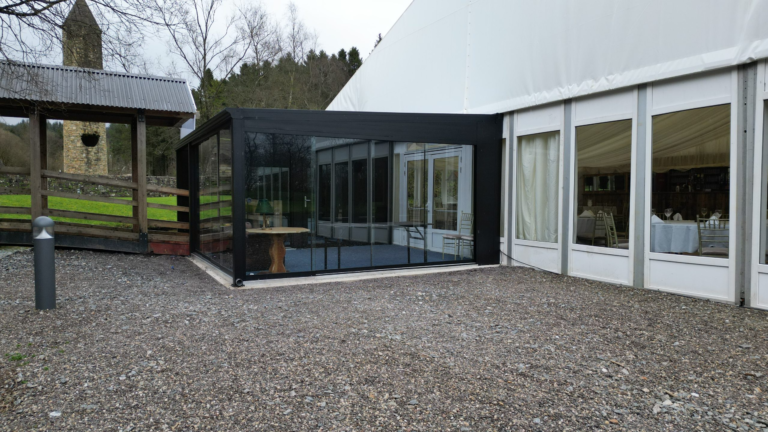
How Commercial Verandas Improve Customer Experience?
First impressions matter, especially for businesses that rely on creating welcoming, comfortable environments. Whether it’s a bustling café, a hotel terrace, a school playground or a healthcare facility, outdoor spaces have become an important extension of the customer experience. However, the UK’s unpredictable weather often limits how these areas can be used.
This is why commercial verandas have become an increasingly popular investment across a wide range of sectors. Designed to provide year-round shelter while maintaining an open and inviting atmosphere, they allow businesses to make better use of their outdoor space without the cost and disruption of constructing a permanent extension.
When thoughtfully designed, a commercial veranda doesn’t simply add cover—it creates a more comfortable environment for customers, visitors, staff and guests while supporting long-term business growth.
What Is a Commercial Veranda?
A commercial veranda is a permanent outdoor canopy structure, typically manufactured from powder-coated aluminium with a glazed or solid roof system. It is designed to provide protection from rain, wind and excessive sunlight while allowing outdoor areas to remain bright and accessible.
Unlike temporary shelters, commercial verandas are engineered for long-term use and can be customised to suit different industries, building styles and operational requirements. Many systems can also incorporate integrated lighting, heating and side glazing to increase usability throughout the year.
Businesses increasingly see verandas as a practical way to create attractive outdoor environments that remain functional in changing weather conditions.
Why Are Commercial Verandas Growing in Popularity?
Over recent years, customer expectations have changed. People increasingly value outdoor spaces that feel comfortable, spacious and adaptable. Hospitality venues want to maximise seating capacity, schools require weather-protected learning areas, while healthcare facilities aim to create calming outdoor environments for patients and visitors.
At the same time, businesses are looking for improvements that deliver long-term value without the complexity of major building works.
A professionally designed veranda can help achieve both objectives by:
- Expanding usable outdoor space
- Improving customer comfort throughout the seasons
- Enhancing the appearance of commercial premises
- Supporting more flexible business operations
- Creating additional revenue opportunities
Rather than leaving valuable outdoor areas unused during poor weather, businesses can transform them into practical spaces that remain functional for much of the year.
How Commercial Verandas Enhance Customer Experience?
Customer experience extends beyond products and services. Comfort, convenience and atmosphere all influence how people feel about a business.
Providing shelter from rain allows customers to continue enjoying outdoor seating without disruption, while shade during warmer weather creates a more pleasant environment for dining, waiting or relaxing. This flexibility often encourages visitors to stay longer, which can positively influence customer satisfaction and spending.
For hospitality venues in particular, outdoor seating has become an important competitive advantage. A comfortable terrace that remains usable for most of the year can accommodate additional guests during busy periods without increasing indoor floor space.
Equally important is the welcoming appearance a well-designed veranda creates. A smart, modern outdoor area helps businesses project professionalism and attention to detail before customers even enter the building.
Where Can Commercial Verandas Be Used?
One of the greatest advantages of a veranda is its versatility. They are suitable for a wide variety of commercial settings, each with different operational needs.
Cafés, Restaurants and Pubs
Hospitality businesses can create attractive outdoor dining areas that remain usable in changing weather conditions. Protected seating encourages customers to enjoy alfresco dining for longer periods while helping businesses increase capacity during peak trading times.
Hotels and Leisure Venues
Hotels, spas and resorts frequently use verandas to extend lounges, restaurants and outdoor relaxation areas. Guests benefit from sheltered spaces where they can dine, socialise or unwind regardless of light rain or strong sunshine.
Schools and Educational Facilities
Schools increasingly use covered outdoor areas to support learning, play and social activities. Weather protection allows pupils to spend more time outdoors while reducing disruption caused by unpredictable weather.
Healthcare and Care Homes
Hospitals, GP practices and care homes often incorporate sheltered outdoor areas to improve wellbeing. Comfortable external spaces provide patients, visitors and residents with opportunities to enjoy fresh air while remaining protected from the elements.
Offices, Retail and Commercial Premises
Modern workplaces are recognising the importance of employee wellbeing. Outdoor breakout areas encourage informal meetings, lunch breaks and collaborative working, while retailers can create welcoming entrances or sheltered customer waiting areas that improve the overall visitor experience.
Sports clubs, golf clubs and visitor attractions also benefit by creating spectator areas, outdoor cafés and event spaces that remain functional throughout much of the year.
Commercial Verandas vs Other Outdoor Structures
Businesses have several options when expanding outdoor space, but each solution offers different advantages.
Pergolas
Pergolas create an attractive architectural feature and can provide partial shade. However, unless fitted with a louvred or glazed roof, they generally offer less protection from rain than a veranda.
Awnings
Retractable awnings provide flexible shade and are often suitable for smaller seating areas. However, they are generally less robust in strong winds and may require retracting during poor weather.
Marquees
Temporary marquees can work well for occasional events but require ongoing installation, storage and maintenance. They rarely provide the same professional appearance or long-term durability as a permanent structure.
Permanent Extensions
A traditional building extension creates additional enclosed floor space but usually involves significantly higher costs, longer construction periods and greater planning considerations. For many businesses, a veranda offers a practical alternative that expands usable space while minimising disruption.
Important Design Features to Consider
Not all commercial verandas are the same. A well-designed installation should complement the building while meeting practical business needs.
Aluminium Construction
Powder-coated aluminium frames are widely chosen because they are:
- Rust resistant
- Strong yet lightweight
- Low maintenance
- Suitable for year-round UK weather
- Available in a range of modern colours and finishes
Unlike timber, aluminium does not rot, warp or require regular repainting.
Glass Roofing
Toughened or laminated glass roofing allows natural daylight into the covered area while protecting customers from rain.
Many businesses prefer clear roofing because it creates a bright, open atmosphere rather than making the outdoor space feel enclosed.
Integrated Lighting and Heating
LED lighting extends usability into the evening, while infrared heaters make outdoor seating more comfortable during colder months.
Together, these features allow businesses to maximise outdoor trading hours throughout the year.
Side Screens and Wind Protection
Glass side screens can reduce wind exposure without completely enclosing the space.
This is particularly valuable for:
- Restaurants
- Coastal venues
- Rooftop bars
- Hotels
- Cafés with exposed seating
Drainage Systems
A professionally designed veranda includes integrated guttering and concealed drainage channels that direct rainwater away from customer areas.
Without effective drainage, water pooling can create slip hazards and reduce customer comfort.
Planning Your Commercial Veranda Project
Before installation, consider several practical factors.
Understand Your Objectives
Ask yourself:
- Do you need additional seating?
- Is weather affecting customer numbers?
- Do you want to increase outdoor events?
- Are you improving accessibility?
- Will the veranda support future business growth?
Clear objectives make it easier to choose the right design.
Check Planning and Building Requirements
Depending on the property’s location, size and intended use, planning permission or Building Regulations may apply.
An experienced supplier can advise on local requirements and ensure the project complies with relevant legislation.
Choose an Experienced Installer
Commercial projects require more than simply fitting a structure.
Look for a company that offers:
- Site surveys
- Structural assessments
- Bespoke designs
- Professional installation
- Product warranties
- Ongoing support
Experience with commercial environments is especially important where safety, accessibility and customer experience are priorities.
Common Mistakes Businesses Should Avoid
Many costly issues can be avoided through proper planning.
Common mistakes include:
- Choosing price over long-term quality
- Underestimating future seating requirements
- Ignoring drainage and lighting
- Forgetting accessibility considerations
- Selecting products unsuitable for commercial use
- Failing to plan for heating during colder months
Thinking about future growth rather than current needs often leads to a better long-term investment.
Frequently Asked Questions
Are commercial verandas suitable for year-round use?
Yes. When combined with side screens and heating, they provide comfortable outdoor spaces throughout every season.
Do commercial verandas require planning permission?
Some projects do, while others fall under permitted development. Requirements depend on the building, location and size of the installation.
How long does installation take?
Most installations are completed within a few days to a couple of weeks, depending on project complexity and site preparation.
Are aluminium verandas better than timber?
For commercial properties, aluminium generally offers greater durability, lower maintenance and longer service life.
Can lighting and heating be added later?
Many systems are designed to allow integrated lighting and heating either during installation or as future upgrades.
How much maintenance is required?
Maintenance is minimal. Regular cleaning of the glass roof and occasional inspection of drainage systems is usually sufficient.
Final Thoughts
For many UK businesses, making better use of outdoor space is no longer simply about aesthetics—it’s about improving customer experience, increasing operational flexibility and supporting long-term growth. A professionally designed commercial veranda can provide shelter from unpredictable weather, create a more welcoming environment and unlock valuable additional space without the disruption of a permanent extension.
Whether you operate a café, restaurant, hotel, school, healthcare facility or leisure venue, investing in a high-quality outdoor structure can deliver lasting value when it is carefully planned and professionally installed.
If you’re considering how a commercial veranda could enhance your premises, the team at Apex Verandas can provide expert guidance, tailored designs and practical advice to help you create an outdoor space that works for both your customers and your business.