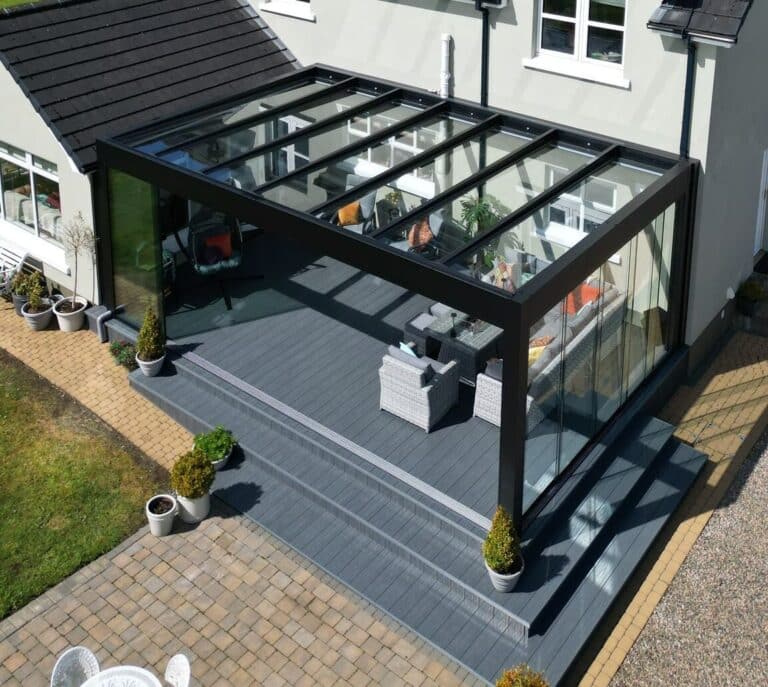
How Commercial Outdoor Structures Help Businesses Increase Revenue ?
For many businesses, outdoor space is one of the most underused assets on the property. Whether it’s a restaurant terrace that sits empty during poor weather, a school playground without shelter, or an office entrance lacking covered access, unused outdoor areas represent missed opportunities.
Modern commercial outdoor structures allow organisations to transform these spaces into practical, weather-protected environments that can be used throughout the year. From hospitality venues and retail parks to schools and healthcare facilities, well-designed outdoor solutions improve customer experience, increase operational flexibility and often deliver an excellent return on investment.
Rather than viewing outdoor space as seasonal, many UK businesses now see it as an extension of their premises.
What Are Commercial Outdoor Structures?
Commercial outdoor structures are permanent or semi-permanent installations designed to create functional, sheltered external spaces.
Depending on the business and its requirements, these structures may include:
- Covered dining terraces
- Customer waiting areas
- Entrance canopies
- Smoking shelters
- Outdoor classrooms
- Staff break areas
- Retail display spaces
- Covered walkways
- Event spaces
Unlike temporary gazebos or fabric shelters, professionally designed aluminium systems are engineered for long-term performance in the UK’s changing weather conditions.
Why Are Businesses Investing in Outdoor Spaces?
Consumer expectations have changed significantly over the past few years. Customers increasingly value comfortable outdoor environments where they can dine, shop, wait or relax regardless of the weather.
Businesses have also recognised that making better use of existing outdoor areas is often far more cost-effective than extending the building itself.
Well-designed outdoor spaces can help businesses:
- Increase customer capacity
- Improve visitor comfort
- Extend trading throughout the year
- Create more flexible working environments
- Improve first impressions
- Maximise existing property assets
For many organisations, these benefits translate directly into stronger commercial performance.
Creating Additional Revenue Opportunities
One of the biggest advantages of commercial outdoor structures is the ability to generate additional income without acquiring more land.
Restaurants and cafés can accommodate more diners.
Hotels can expand outdoor entertaining areas.
Retail businesses can display products outside while protecting them from the weather.
Leisure venues can host events in spaces that would otherwise remain unused for much of the year.
For businesses operating in competitive markets, increasing usable space often provides a valuable commercial advantage.
Applications Across Different Industries
Commercial outdoor structures are highly versatile, making them suitable for a wide variety of sectors.
Hospitality
Restaurants, cafés, pubs and hotels frequently install commercial verandas to create attractive outdoor dining areas that remain comfortable during changing weather.
Covered seating encourages customers to stay longer, increasing food and beverage sales while improving the overall customer experience.
Education
Schools increasingly use covered outdoor areas as:
- Outdoor classrooms
- Break spaces
- Weather-protected playgrounds
- Collection points
These spaces allow learning and recreational activities to continue throughout the year.
Offices
Modern workplaces benefit from sheltered outdoor breakout spaces where employees can relax, meet informally or work outdoors during suitable weather.
These areas also improve staff wellbeing by providing comfortable access to fresh air without leaving the workplace.
Retail Parks
Retail centres can use covered walkways and entrance structures to create a more welcoming customer experience while protecting visitors from rain and strong sunlight.
Healthcare and Care Homes
Hospitals and care facilities often require sheltered outdoor spaces where patients, residents and visitors can safely spend time outdoors in comfort.
These environments can contribute positively to wellbeing while improving accessibility throughout the site.
Why Is Aluminium the Preferred Choice?
Material selection has a significant impact on long-term performance.
Compared with timber structures, aluminium canopies offer several practical advantages.
These include:
- Excellent corrosion resistance
- Minimal maintenance
- Long service life
- Contemporary appearance
- High structural strength
- Resistance to rot and warping
Unlike timber, aluminium does not require regular painting or staining, making it particularly suitable for busy commercial environments where ongoing maintenance needs to be kept to a minimum.
Customising Outdoor Structures for Maximum Value
Every commercial property has different operational requirements, which is why bespoke design is essential. A well-planned outdoor structure should complement the building, improve functionality and accommodate future business growth.
Popular customisation options include:
Integrated Lighting
LED lighting extends the usability of outdoor spaces into the evening while creating a welcoming atmosphere for customers, visitors and staff.
Heating Systems
Outdoor heaters allow restaurants, cafés and hospitality venues to keep seating areas comfortable during cooler months, helping maximise year-round revenue.
Side Glazing and glass sliding doors
Adding glazed side panels or sliding doors offers greater protection from wind and rain while maintaining natural light and visibility. This creates a flexible space that can adapt to changing weather without feeling enclosed.
Drainage and Accessibility
Integrated drainage systems help manage rainwater efficiently, while accessible layouts ensure the structure is practical for all users, including those with mobility needs. These details contribute to a safer and more enjoyable environment.
Planning and Installation Considerations
Before investing in a commercial outdoor structure, it is important to assess both current and future business requirements.
A professional site survey should consider:
- Available space and site layout
- Existing buildings and access routes
- Ground conditions
- Local planning requirements
- Drainage and utilities
- Customer and staff movement
- Future expansion opportunities
Experienced designers can also recommend the most suitable roof style, frame finish and optional features to ensure the structure integrates seamlessly with the surrounding property.
Aluminium vs Timber and Temporary Shelters
Businesses often compare aluminium structures with timber canopies or temporary shelters before making a decision.
While timber can provide a traditional appearance, it typically requires more maintenance, including regular treatment to protect against moisture, rot and weather damage.
Temporary shelters may have a lower upfront cost but often offer limited durability and are less suited to year-round commercial use.
Aluminium structures generally provide:
- Greater durability
- Lower maintenance requirements
- Longer lifespan
- Modern aesthetics
- Better weather resistance
- Lower long-term ownership costs
For organisations planning a long-term investment, these advantages often make aluminium the more practical choice.
Choosing the Right Outdoor Structure
Selecting the right solution depends on how the space will be used.
For example:
- Restaurants may prioritise additional dining capacity and customer comfort.
- Schools often require sheltered teaching and recreation areas.
- Offices benefit from outdoor breakout and collaboration spaces.
- Retail parks may focus on covered walkways and display areas.
- Healthcare facilities need accessible, weather-protected environments for patients and visitors.
Working with an experienced specialist ensures the design supports operational goals while complying with relevant regulations.
Frequently Asked Questions
1. What are commercial outdoor structures?
They are permanent weather-protected installations that create practical outdoor spaces for businesses, including dining areas, walkways, waiting areas and covered workspaces.
2. Do outdoor structures increase business revenue?
They can help businesses generate additional income by increasing usable space, improving customer experience and allowing outdoor areas to be used throughout the year.
3. Why is aluminium popular for commercial structures?
Aluminium is durable, corrosion-resistant, low maintenance and designed to withstand the UK’s changing weather conditions.
4. Do commercial outdoor structures require planning permission?
Requirements vary depending on the location, size and intended use of the structure. Professional guidance should always be sought before installation.
Conclusion
Commercial outdoor structures have become an increasingly valuable investment for businesses looking to maximise existing space, improve customer experience and support long-term growth. Whether creating additional restaurant seating, covered walkways, outdoor classrooms or flexible workspaces, a thoughtfully designed structure can deliver practical and financial benefits for years to come.
By carefully considering factors such as layout, materials, accessibility and future expansion, businesses can create outdoor environments that are both functional and visually appealing. Consulting an experienced commercial outdoor structures specialist such as Apex Verandas UK is the best way to ensure your investment is tailored to your property’s needs while delivering lasting value and year-round usability.